By: Lora Doughty
Life at SFS TCI
What has been the best part about living at a field station?
By far the best part about living at field station has been the accessibility of outdoor learning. While we spend a lot of time in class, that does not mean that we are spending a lot of time in a classroom. Sometimes class involves snorkeling in the mangroves to learn about the organisms that live there or diving to hunt for lionfish that we later dissect. Suddenly the topics we learn about don’t feel so distant. We can see the policies we discuss in the Marine Protected Area in front of our door, recognize the organisms we learn about when we take a snorkel, and consider the management of marine resources each time a fisherman drives by. Living at a field station means experiencing as a form of learning and it allows us all to gain a deeper understanding through the interdisciplinary approach a physical space can create. Oh, and the views aren’t bad either.
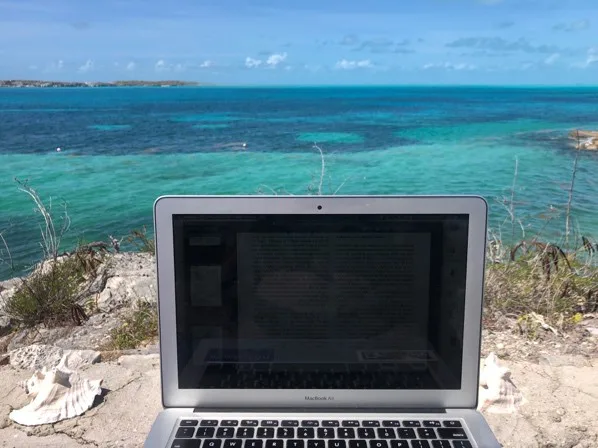
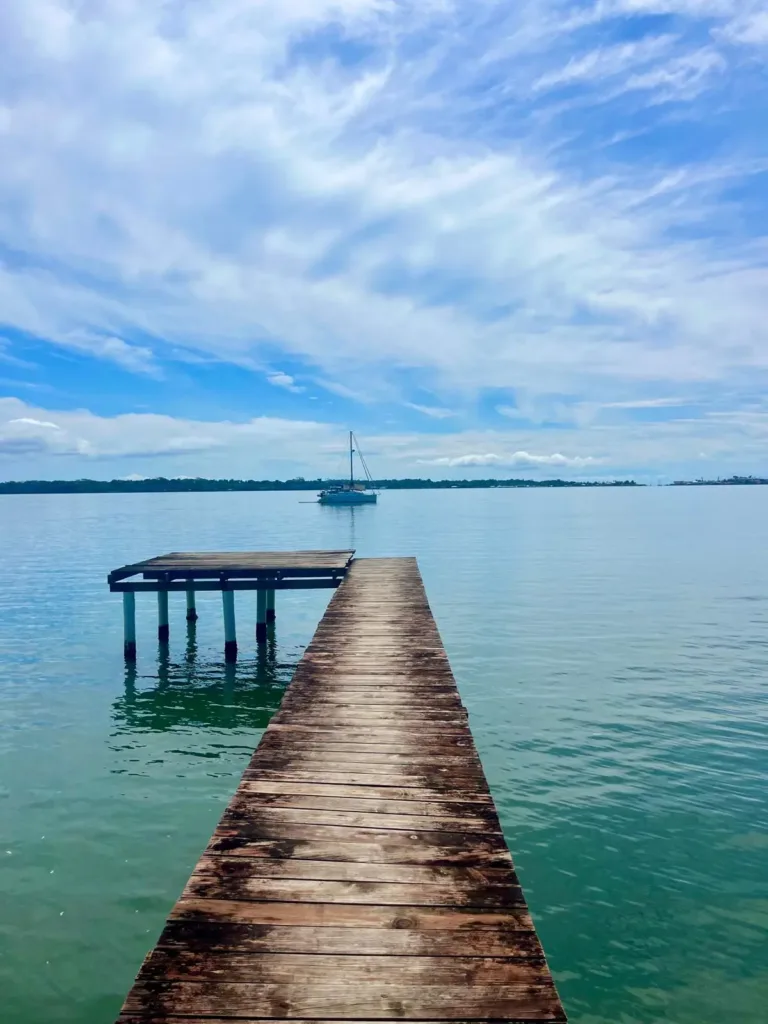
Welcome to our classroom.
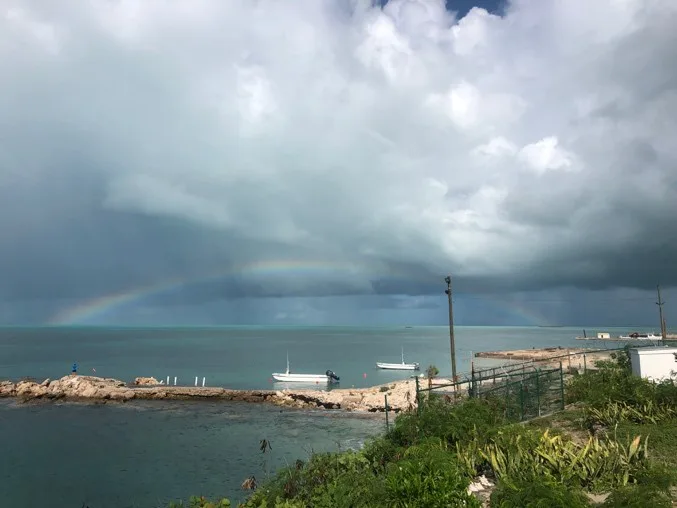
A rainbow stretches above the dock on a particularly stunning morning.
What has been the most difficult part?
Adjusting to life at a field station has not been all sunshine and rainbows, although we do get to see those quite a lot. While some might say the mosquitoes or the single fresh water shower a week are their downfall, we have agreed that the challenge of group living is often what taxes us the most. With forty people coexisting at the CMRS field station, it means an almost constant lack of privacy. It can be a bit of an adjustment to get used to living in such close quarters with so many people. Once the honeymoon phase of living on a Caribbean island ends, you suddenly crave some sense of normality. A piece of this normality we seek is often the peace and quiet we hardly even realize we take advantage of at our home institutions. Suddenly alone time becomes a rare luxury and one you must find a way of creating for yourself. This being said, once you find your own balance, CMRS quickly becomes a home and the individuals you share it with become your family.
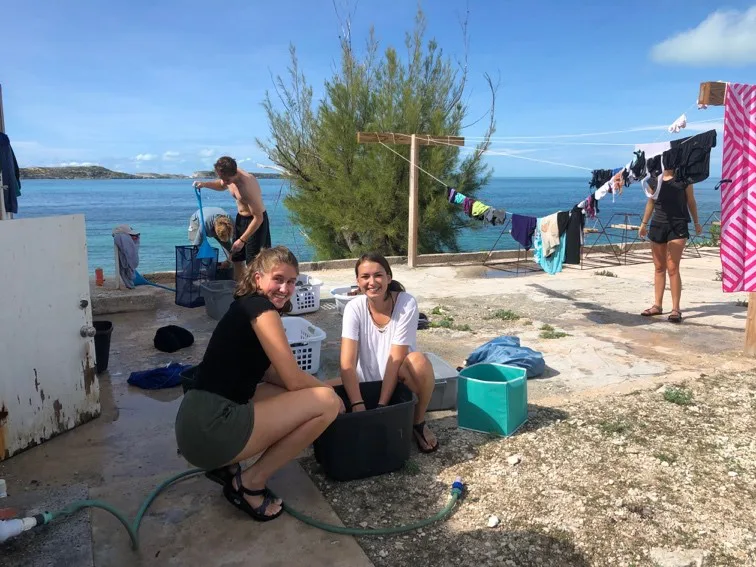
Students do laundry by hand at the field station.
What has surprised you the most?
The familial feeling emulated at CMRS is in many ways what surprised us most. When we first arrived on South Caicos, we were 27 individuals representing different institutions, regions, and cultures from across the U.S. Now entering our second month at the field station, we are a closely-knit group that can hardly imagine that we had trouble remembering each other’s names a few weeks ago. It is incredible how the community living aspect of a field station has allowed us to quickly establish friendships that will last a lifetime.
What advice would you give to someone going to a field station for the first time?
Get EXCITED! It might seem scary at first to think about going to an unfamiliar place to live with a bunch of strangers, but it is pretty awesome to have your backyard be your classroom. Come into the experience with an open mind because you never know what you’ll get to experience. The day one boat’s engine overheated, several students found themselves envying those who got to dive while they sat stranded waiting to be rescued. After dropping anchor, they hung onto the tag line of the boat to cool down. While waiting they saw massive eagle rays and a few barracuda. Although not everything went according to plan the experience was incredible and gave each student a story to walk away with. We can guarantee that coming with your sense of adventure will allow you to leave with new friendships, hysterical stories, and breathtaking experiences. Additionally, we highly recommend copious amounts of bug spray and knowing some good games to entertain yourself when the Wi-Fi goes down for a few days.
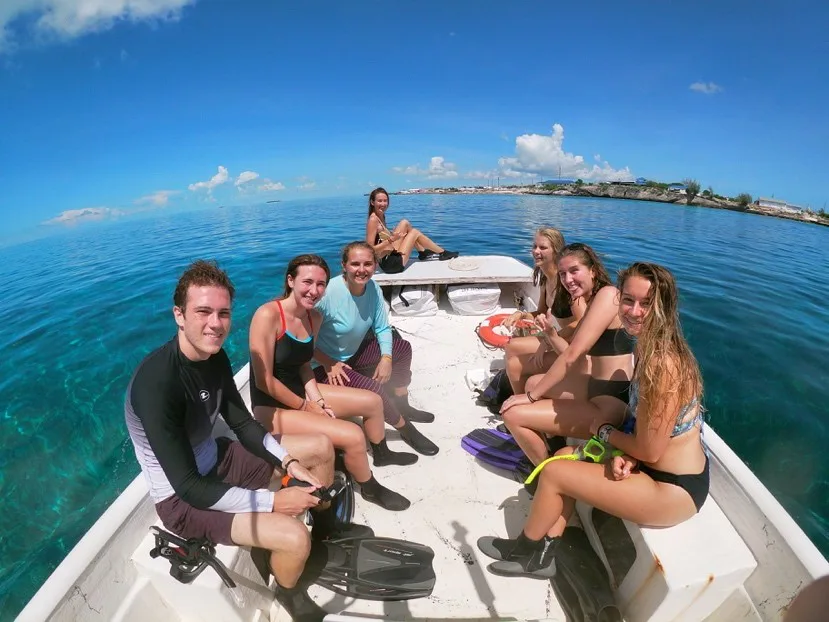
Students return to the blue-roofed field station after a morning snorkel.
What is a typical day at CMRS?
For us here at the Center for Marine Resource Studies a typical class day hardly exists. The beauty of the field station is that the schedule is entirely based upon what we are learning about in each class. This being said, if we had to generalize our daily schedule you might experience the following. First, waking up to snag a quick breakfast at 7 before a few lectures in the morning. Our classes include Principles of Marine Resource Management with Ev, Environmental Policy and Socioeconomic Values with Courtney and Tropical Marine Ecology with Fran. At 10 o’clock we break for snack time (you’ll be quick to learn that field station life requires lots of nutrition for your brain and your body) and return to the classroom for a few more lectures before lunch! If you’re on the kitchen crew of the day, you’ll find yourself in the kitchen scrubbing plates before your learning continues. Afternoons here are often spent in the field. Just a few field exercises we have done so far have included assessing a local beach’s total economic value based on its different ecosystems, snorkeling through seagrass beds to understand their health and abundance, and most recently diving to search for lionfish for our invasive species unit.
Waterfront days, which are Wednesdays and Saturdays, include snorkeling or diving in the morning, followed by an outreach activity in the afternoon. These range from teaching swim lessons and joining in on soccer practices to teaching classes and arts and crafts in the schools.
Evenings here are usually spent playing card games, making friendship bracelets, watching movies (right now we are deep into a Harry Potter Marathon!), going for a sunset snorkel, and just hanging out with all the cool people that make up the CMRS family. Oh, and every now and then we manage to get all our homework done too!
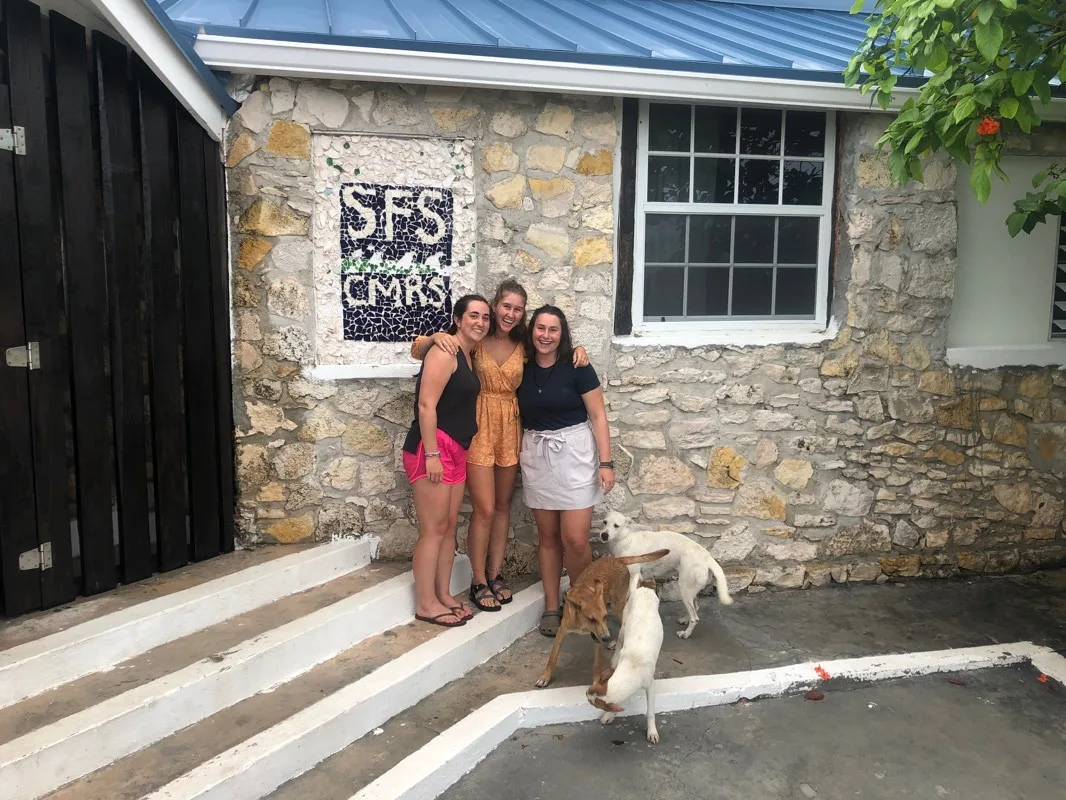
With love from Lauren, Hannah, and Ali and of course all the dogs at SFS CMRS.
Related Posts