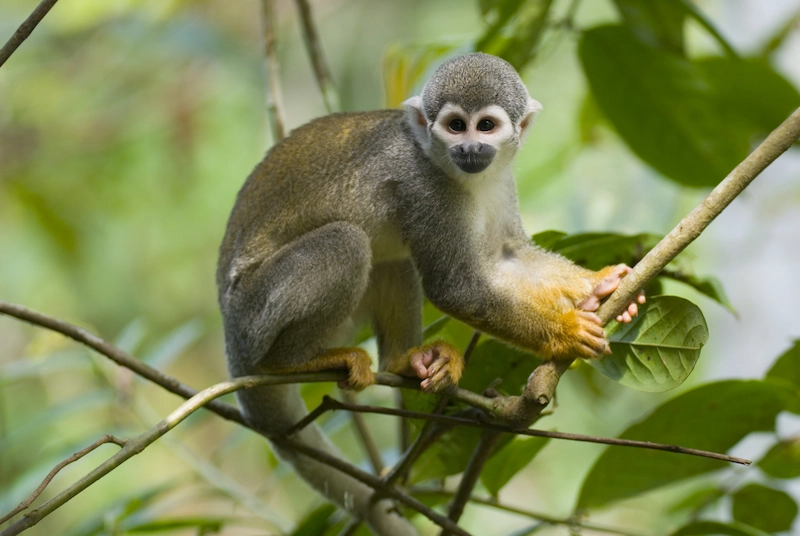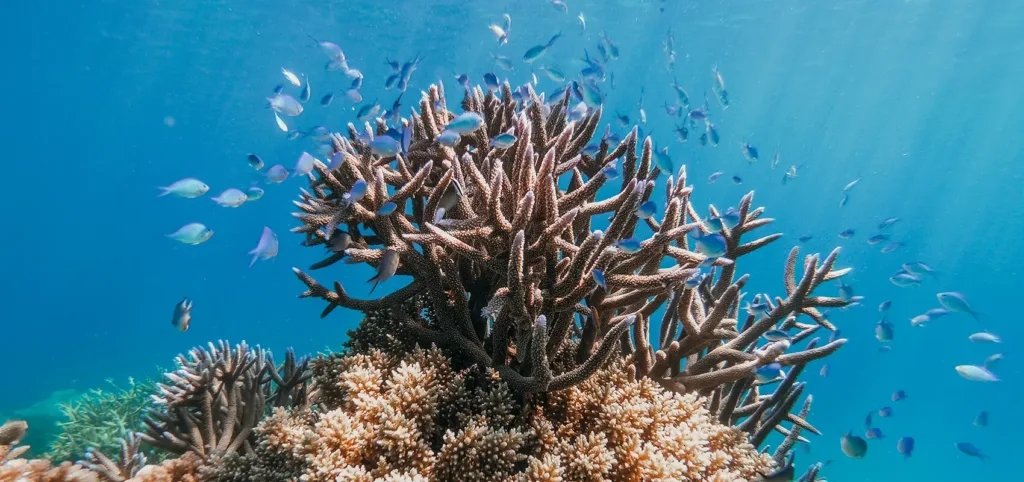
The School for Field Studies (SFS) semester and summer programs are high-quality interdisciplinary academic, undergraduate-level programs that are accredited by Boston University. SFS “classrooms” include coral reefs, rainforests, and African savannas; the focus of our research ranges from wildlife conservation to rainforest restoration.
Our semester study abroad and summer college study abroad programs are designed to teach students about critical local environmental problems and train them to do field research that will help address these problems. Our faculty provide core lectures needed to understand the content areas pertinent to case study and research questions. Field exercises complement classroom lectures and help students to develop skills needed for Directed Research projects.
The academic and research agenda at each center is driven by a Five Year Research Plan, established by SFS staff and local community leaders.
* Program dates below are subject to change
|
|
Tropical Island Biodiversity and Conservation StudiesPanama Panama is the great connector between two continents; a corridor that links the natural riches of Central America to South America. Few places on Earth can claim the density of species and ecosystem richness that this isthmus can. Our classroom in Panama is the archipelago of Bocas Del Toro; a place where forest and shore come together and present almost limitless opportunities to study the ecology and conservation of both the marine and terrestrial realms. It is the dynamic interface between forested islands and life-filled waters that will drive our understanding of fragile habitats, natural resource use, and indigenous ways of life based on deep relationships with the environment. LEARN MORE ABOUT BIODIVERSITY AND CONSERVATION PROGRAM |
Fall Semester 2013 Spring Semester 2014 |
|
|
Himalayan Forests, Watersheds, & Rural LivelihoodsBhutanBhutan is nestled in the remote and rugged eastern Himalayan region, an area characterized by extensive and numerous mountains (the Himalayas) and valleys. The country has also been identified as one of the top-10 biodiversity hot spots in the world. Bhutan is home to an estimated 770 species of birds and an astonishing variety of medicinal plants and orchids. Takin, snow leopards, golden langurs, blue sheep, tigers, water buffalo, and elephants are among Bhutan’s diverse wildlife. Traveling across Bhutan, students in this summer study abroad program will learn about Bhutanese culture, environmental issues, and rural development in Asia. LEARN MORE ABOUT EASTERN HIMALAYAN FORESTS PROGRAM |
Summer 2013
|
|
|
Wildlife Management Studies and Public HealthKenya & TanzaniaThe Tarangire-Manyara ecosystem of northern Tanzania and the Amboseli-Tsavo ecosystem in Kenya, just north of Mount Kilimanjaro, are home to indigenous communities, such as the Maasai, and wildlife sanctuaries in which elephants, lions, baboons, and other creatures roam. Visits provide a rare glimpse of Maasai culture, including musical ceremonies, demonstrations in fire-making, dances by Maasai morans (warriors), and lessons in spear throwing. Students study how changes in land-use and resource can be managed to foster the well-being of local communities while safeguarding and promoting biodiversity conservation. LEARN MORE ABOUT WILDLIFE MANAGEMENT STUDIES PROGRAM |
Summer 2013 Fall Semester 2013 Spring Semester 2014 |
|
|
Rainforest StudiesAustralia & New ZealandThe astonishing biodiversity of Australia’s and New Zealand’s rainforests, their declines, and dynamic conservation efforts make these areas extraordinary laboratories to study rainforest management and restoration. For thousands of years, they have been home to indigenous tribes, and numerous plant and animal species found nowhere else in the world. These forests, however, have been greatly affected by habitat loss, fragmentation, and climate change. Students focus on the loss and fragmentation of once extensive rainforests and examine environmental policies related to the issue on local and national levels. LEARN MORE ABOUT RAINFOREST STUDIES PROGRAM |
Summer 2013 Fall Semester 2013 Spring Semester 2014 |
|
|
Marine Resource StudiesTurks and Caicos IslandsThe Turks and Caicos Islands (TCI) lie in the Carribbean at the southeastern end of the Bahamian archipelago. The turquoise waters surrounding TCI are abundant with marine life and are considered to be among the world’s top 10 diving destinations. Nearly 50 species of coral, as well as spotted eagle rays, sea turtles, sharks, groupers, and snappers, are easily spotted in the clear warm waters just steps away from our field station. TCI has an extensive network of protected areas, but little is known about their function and effectiveness. Students evaluate the concept and practice of marine protected areas as a resource management tool. LEARN MORE ABOUT MARINE RESOURCE STUDIES PROGRAM |
Summer 2013 Fall Semester 2013 Spring Semester 2014 |
|
|
Sustainable Development StudiesCosta RicaCosta Rica is a resource-rich, wonderfully biodiverse country that is rapidly developing and increasingly recognized for its efforts to ensure conservation and the protection of natural resources. It is home to beautiful cloud forests, dry forests, volcanoes, lowland rainforests, and plantations. Students will examine management schemes, identify the benefits of protected areas, and determine which systems offer the best option for economic development, the maintenance of cultural norms, and the preservation of biodiversity. LEARN MORE ABOUT SUSTAINABLE DEVELOPMENT PROGRAM |
Summer 2013 Fall Semester 2013 Spring Semester 2014 |